 0
0
 0
0
AI platforms are reshaping how websites attract attention, with a clear split between pages used for citations and those receiving actual visitor traffic. Data from multiple sources shows that when AI summaries appear in search results, traditional clicks drop sharply, forcing publishers to rethink site structure.
Publishers have seen referral traffic from major search engines decline as AI overviews handle more queries directly. This trend has hit smaller sites hardest, with some closing operations after sustained losses. At the same time, AI systems continue to scan and reference web content at higher rates, creating demand for high-quality source material even as human visits fall.
Machines are consuming more web data than before. Reports indicate the share of AI answers that include live citations has grown rapidly, especially in categories such as travel. The quality of these answers depends on accessible, well-structured content. If visibility in traditional search drops, AI models are less likely to surface that same material.
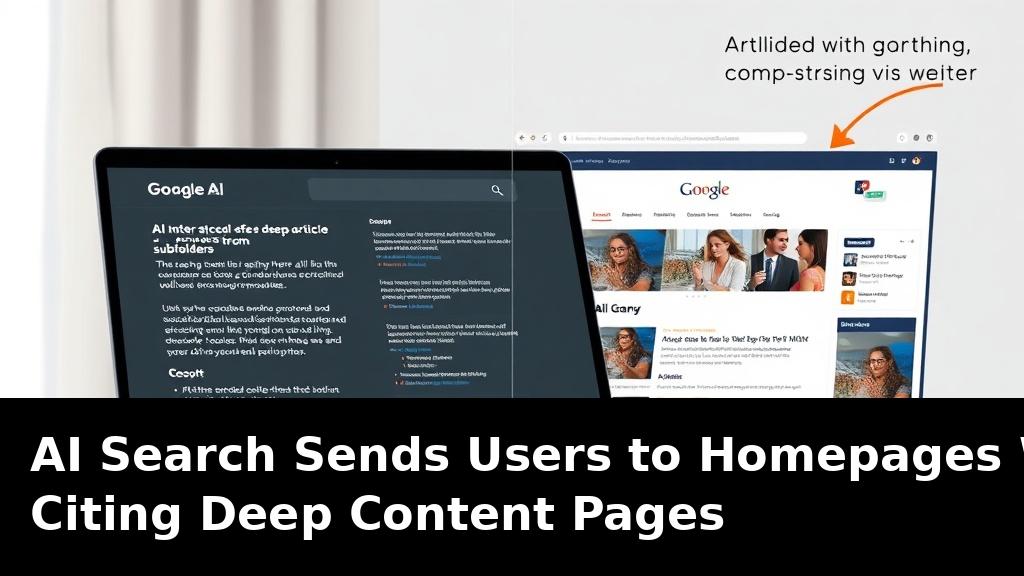
A new referral pattern is emerging inside conversational interfaces. After recent updates to ChatGPT search features, traffic to recommended brands increased, yet most arrivals now land on homepages rather than specific articles. The AI handles research and comparison, delivering users who arrive ready to explore or convert. Brands mentioned in these answers see higher follow-up visits compared with competitors.
Advertising is shifting toward context-based placements within conversations. Sponsored results now appear more frequently and later in dialogues, targeting accumulated user context instead of single keywords. This model challenges the long-standing keyword auction system that has dominated search advertising.
Google faces pressure on two fronts. Its own AI features reduce clicks on organic results, while competitors gain ground in overall search advertising share. Regulatory rulings have begun limiting exclusive default agreements and requiring data sharing with rivals, opening the market further.
One key implication is that publishers must now maintain two distinct content layers. Deep pages need precise claims, clear headings, and descriptive URLs to serve as reliable citations for AI systems. Homepages, by contrast, should prioritize fast navigation for visitors who already possess context from an AI interaction.
Internal site search is another underused surface gaining importance. Many sites neglected this feature because traditional search engines handled discovery; AI referrals now route users there directly. Investing in better internal search UX can capture this new acquisition channel.
Another consideration is the growing gap between sites optimized only for human readers and those built for machine readability. Organizations that structure content for both citation value and immediate visitor action are positioned to benefit as the referral economy evolves. The open web’s funding model continues to change, but entities that adapt to being quoted by AI while converting the humans it sends will define the next phase of online discovery.